Do you also feel “conflicted about conflict?” Personally, I like harmony, but long-term, a team suffers when there isn’t a healthy level of conflict. Embracing and listening to differences of opinion is crucial to team growth.
Long-term, a team suffers when there isn’t a healthy level of conflict.
Finding the Balance
When we hear the word “conflict” we might immediately think, “No, thank you.” Dealing with conflict is stressful! But not all conflict is created equal.
There is healthy conflict and unhealthy conflict, with a lot of grey in between. On one end of the scale, differences of opinion can turn to personal attacks. But if we avoid all conflict, we can either develop resentment from not speaking up or may just continue to exist in “artificial harmony.” In this state, we stop caring and contributing valuable information that could help grow and improve our business or are team.
Identifying a Lack of Healthy Conflict
It is both stressful and unproductive to address everything and everyone with whom you have a difference of opinion. But avoiding conflict is not healthy either. As my favorite author Patrick Lencioni likes to say, “fear of (healthy) conflict is almost always a sign of problems.”
How healthy are your discussions with your team? Are people speaking up or nodding their head in agreement while secretly thinking, “This will never work.” What is the leader’s balance of listening and leading?
Without voicing opinions about changes, the changes won’t stick. Your team won’t be committed to the change.
The example Lencioni uses is the team meeting where someone proposes a change or new idea, and everyone nods their heads in agreement. Then they walk out of the room thinking, “This is crazy. This idea will never work.” They are not committed, and the solution was dead before they ever left the meeting!
How to Ease into Embracing Healthy Conflict:
Step 1: Know Your Own Style
If you want to get people to voice their opinion more, first, understand your own natural conflict style. (The United States Institute of Peace identifies 5 conflict styles: Competer, Problem Solver, Compromiser, Avoider, and Accommodator.) You can take their free test to learn your style here: https://www.buildingpeace.org/conflict-styles.
There is no good or bad conflict style here. It is just about noticing your natural pattern. Once you are aware of your own style, you can understand others as well.
Step 2: Observe
Notice how your conflict style affects your interactions and team both positively and negatively. I am not suggesting you change who you are, but rather understand your patterns and develop skills to lean into different styles the group may need.
Ask yourself, “What does the situation need for you to do?”
Part 2 of this series will dig deeper into using different conflict styles, while part 3 includes preparing for healthy conflict.
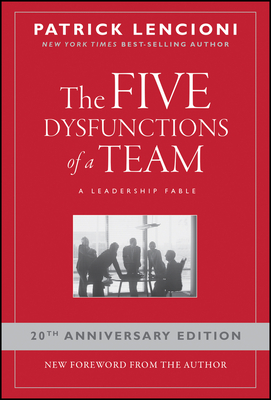
In the interim, check out Patrick Lencioni’s book, The Five Dysfunctions of a Team, below.